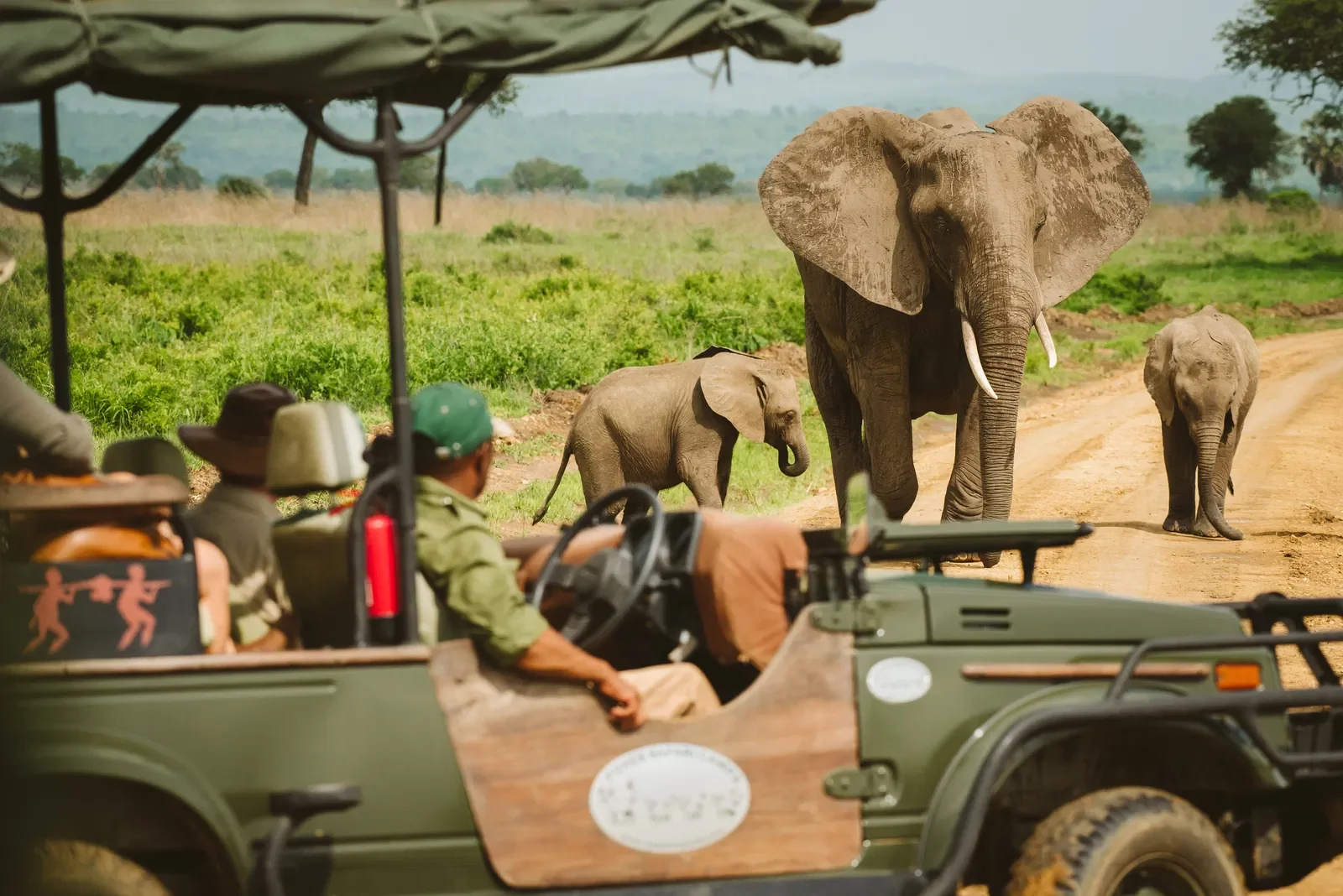
Planning an East African Safari?

Essential Safety, Health & Logistics Advice for US Travelers

An East African safari across iconic destinations like Tanzania and Kenya is a bucket-list journey. However, long travel distances, differing local regulations, and safety concerns can make planning feel intimidating.

Addressing common traveler questions up front helps ensure your adventure goes smoothly from flight planning to final departure.

From embassy registration to malaria prophylaxis to tipping in crisp US dollars — here's what every US traveler should sort out before departure.
STEP enrollment & embassy alerts
Vaccines & malaria prophylaxis
Cash, cards & tipping norms
eSIM & connectivity planning
Guided circuits, vetted lodges, pre-arranged transfers

Safety, Security & Emergency Preparedness

Register with STEP, then let vetted operators handle the rest

Standard US State Department advisories for popular safari hubs like Tanzania and Kenya recommend exercising increased caution due to local crime or transit delays. In practice, guided safari circuits, vetted lodges, and pre-arranged airport transfers offer secure, seamless environments throughout your stay.

Government Advisories & STEP
Enroll in STEP before you fly
What It Does
Links your trip to the local US Embassy
Local Safety
Increased caution advisories
Your Buffer
Guided circuits & vetted lodges

Enroll for free at step.state.gov — it's the single easiest safety step to take before departure.

Health, Vaccines & Food Safety

What to sort out before you land

Three areas worth a checklist of their own: immunizations, malaria prevention, and food & water habits.

01

Required vs. Recommended Vaccines

Consult a travel health clinic 4–6 weeks before departure. Routine updates for Tdap, Hepatitis A/B, and Typhoid are standard recommendations. A Yellow Fever vaccination certificate is mandatory if arriving from or transit-staying through a Yellow Fever endemic region.

02

Malaria & Bug Protection

Malaria prophylaxis (like Atovaquone-Proguanil or Doxycycline) is widely recommended for low-altitude bush areas. Bring EPA-registered DEET or Picaridin bug spray, and wear neutral, light-colored clothing — avoid dark blue and black, which attract tsetse flies.

03

Food & Water

Stick to bottled, sealed, or filtered water — including for brushing teeth. High-end safari lodges maintain strict sanitation standards for prepared fresh produce and ice.


Money, Tipping & Connectivity

Cash, cards, gratuities, and staying in touch

Currency & Payments

Major credit cards are accepted at primary lodges and resorts. However, US dollars — printed in 2013 or later, crisp and un-torn — are required for tips, local markets, and incidental expenses.

Tipping Guidelines

While voluntary, tipping is customary in East African tourism. Budget roughly $15–$20 per day for your lead guide and $10–$15 per day for the general lodge staff pool.

Staying Connected

Most safari lodges offer Wi-Fi in main lounge areas, though coverage can be intermittent in remote park sectors. Purchasing an eSIM or local SIM card (such as Vodacom or Airtel) at the arrival airport provides reliable cellular data across urban hubs and major transit corridors.

Guide Tip
$15–$20 / day
Staff Pool Tip
$10–$15 / day
Currency Note
2013+ bills only
Local SIM
Vodacom / Airtel

Ready to Plan?

Let's tailor this to your dates and destinations

Are you finalizing a specific itinerary for Tanzania or Kenya? Feel free to share your travel dates or preferred destinations, and we can tailor flight routing, visa steps, or lodge recommendations to your exact plans.

A safe, healthy, well-connected trip starts with a little planning before you fly.

Quick Pre-Departure Checklist

Do these before you board
  • Enroll in STEP
  • Book a travel health consult 4–6 weeks out
  • Confirm Yellow Fever certificate needs
  • Fill malaria prophylaxis prescription
  • Pack crisp, post-2013 US dollars
  • Arrange an eSIM or airport SIM card