Luxury Green Season Safari

Follow the Great Migration when Tanzania turns green.

From November to May, Tanzania's landscapes change dramatically. Seasonal rains transform the dry savannah into a lush green wilderness, filling plains with fresh grasses, wildflowers, and vibrant vegetation.

A Luxury Green Season Safari offers a different way to experience Tanzania — fewer vehicles in many areas, dramatic skies, rich photographic opportunities, and the chance to witness the Great Migration during one of its most important stages.

Between January and March, the southern Serengeti becomes a major calving area for wildebeest. Hundreds of thousands of calves are born across the plains, attracting predators including lions, cheetahs, and hyenas.

Stay in a luxury mobile camp positioned close to the action, waking to vast green plains and spending your days following the rhythm of the migration.

Plan Your Green Season Safari
Lush green Serengeti landscapes
Great Migration calving season
Luxury mobile camping
Fewer vehicles in many areas
Exceptional wildlife photography


Why It Matters

See the Serengeti when the plains come alive

The green season is sometimes overlooked in favor of Tanzania's dry months, but the rains create a completely different safari landscape.

Fresh vegetation covers the plains, migratory herds gather in large numbers, and young animals begin appearing across the southern Serengeti.

For photographers, the combination of green landscapes, soft light, dramatic clouds, and abundant wildlife creates a distinctive visual experience.

The calving season also creates a fascinating predator-prey dynamic. Young wildebeest are vulnerable, while lions, cheetahs, hyenas, and other predators take advantage of the abundance of prey.

Main Activity
Wildlife Game Drives
Signature Event
Calving Season
Accommodation
Luxury Mobile Camp
Typical Duration
4–8 Days
The Approach

Timing and location are central to a green season safari.

The Great Migration is constantly moving in response to rainfall, grazing conditions, and water availability. During the early months of the year, the southern Serengeti and surrounding areas can become especially important for calving.

Rather than treating the migration as a fixed event, your itinerary should allow for seasonal movement and local conditions.

Green Season
November–May
Calving Period
Typically Jan–Mar
Main Region
Southern Serengeti

Why Mobile Camping?

A mobile camp can be positioned to follow seasonal wildlife movements, allowing you to stay closer to the areas where the migration is concentrated.

How We Time It

We build itineraries around seasonal patterns while recognizing that exact wildlife movements vary with rainfall and local conditions.

When the rains arrive, the Serengeti changes — and the safari changes with it.


The Great Migration

Witness one of nature's great cycles

The Great Migration is a continuous movement of wildebeest, zebras, and other herbivores through the Serengeti ecosystem. During the green season, large herds gather in the southern Serengeti where fresh grazing supports the arrival of thousands of newborn calves.

The landscape becomes a nursery.

Wildebeest Calves

Large numbers of young animals can be seen across the plains taking their first steps within minutes of birth.

Predator Activity

Lions, cheetahs, hyenas, and other predators take advantage of abundant prey, creating dramatic wildlife interactions.

Fresh Grazing

Seasonal rains produce highly nutritious grasses across the southern short-grass plains, perfectly suited for nursing mothers.

Open Landscapes

The short grass plains provide expansive unobstructed views and exceptional opportunities for wildlife photography.

A season of birth, movement, survival, and renewal.

Luxury Mobile Camping

Stay close to the wilderness without giving up comfort

A luxury mobile camp combines the feeling of being deep in the Serengeti with the comfort of a carefully designed safari camp.

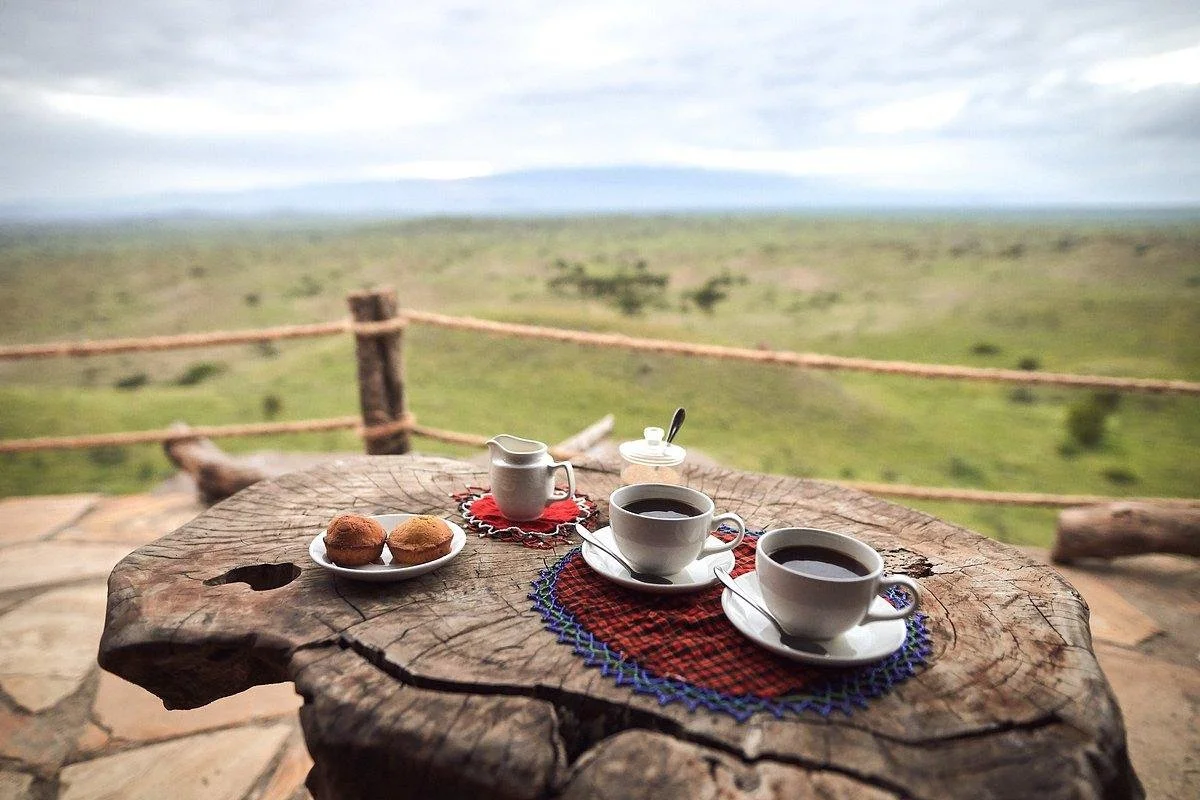
Wake to birdsong and distant wildlife, enjoy breakfast surrounded by the landscape, spend the day exploring with your guide, and return to camp for a relaxed evening beneath the African sky.

Depending on the camp and itinerary, features may include:

  • Comfortable private tented suites
  • Proper beds & quality linens
  • Private en-suite bathrooms
  • Hot safari bucket showers
  • Gourmet camp dining
  • Lounge & relaxation fire pit areas
  • Dedicated professional safari crew

Luxury follows the migration, bringing comfort into the heart of the wilderness.

What You'll Experience

A greener, quieter side of Tanzania.

Emerald Savannah

Watch the Serengeti transform after the seasonal rains into a lush carpet of green.

Newborn Wildlife

Look for young wildebeest, zebras, and gazelles scattered across the southern plains.

Predator Encounters

Follow predator activity as big cats hunt among the densely packed migration herds.

Dramatic Skies

Cloud formations, localized rain showers, and changing light create spectacular safari conditions.

Wildlife Photography

Green backgrounds and soft seasonal light provide a vibrant photographic setting.

Luxury Wilderness

Return each evening to a comfortable mobile camp surrounded by the sounds of nature.

How We Build Your Green Season Safari

Designed around the season, the migration, and your travel style.

Migration-focused locations

Choose accommodation and routes that position you within the wider migration ecosystem.

Luxury mobile camping

Stay in a mobile camp designed to move with seasonal wildlife patterns.

Expert safari guides

Experienced guides interpret animal behaviour, migration movements, landscapes, and changing conditions.

Flexible game drives

Spend time following wildlife rather than rushing from one sighting to another.

Photography opportunities

Plan drives around changing light, landscapes, wildlife behaviour, and photographic interests.

Safari + Zanzibar

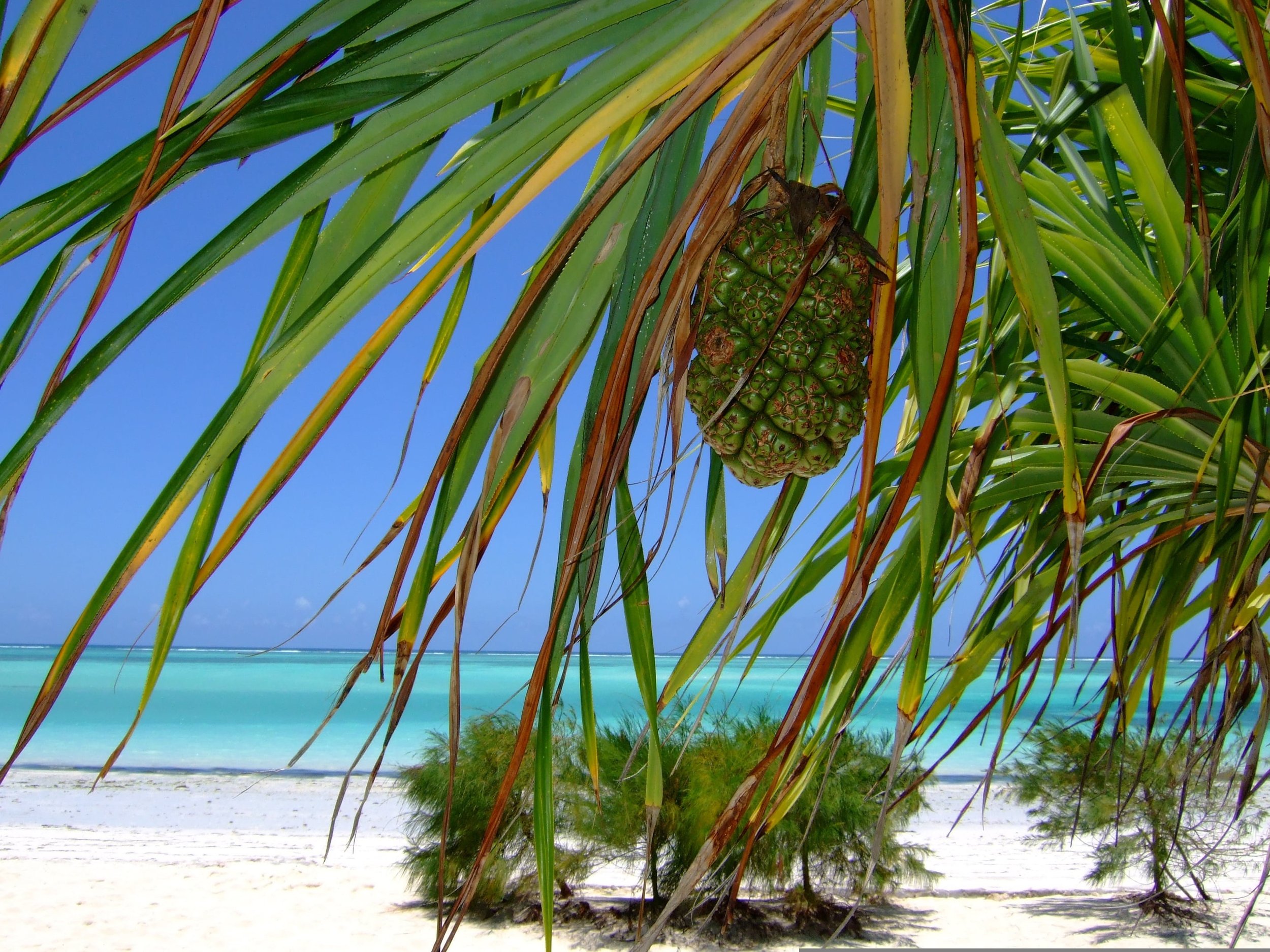
After your Serengeti adventure, continue to Zanzibar for beaches, Swahili culture, and Indian Ocean relaxation.

Follow the rains. Follow the herds. Experience Tanzania in green.

When to Go

November to May is green season.

November–December

The short rains begin transforming the landscape, bringing fresh vegetation and increasingly green scenery.

January–March

This is generally the key period for the southern Serengeti calving season, although exact timing varies according to rainfall and grazing conditions.

April–May

The long rains create lush landscapes and can bring a quieter safari atmosphere, while some roads and activities may be affected by wet conditions.

Seasonal wildlife movements are influenced by rainfall, so exact locations and timing can vary from year to year.

Frequently Asked Questions

Everything you need to know about a Green Season safari.

What is a green season safari?

A green season safari takes place during Tanzania's wetter months, when seasonal rains transform the landscape into lush green grasslands and woodland.

When is the Serengeti calving season?

The southern Serengeti calving period generally peaks between January and March, when hundreds of thousands of wildebeest calves are born across the short-grass plains.

Are there fewer travelers during the green season?

Yes, many areas experience lower visitor numbers compared to the peak dry season months, offering a more peaceful and exclusive safari experience.

What should I pack for a green season safari?

Pack lightweight, breathable layers, a reliable waterproof jacket or poncho, sturdy walking shoes or boots, insect repellent, and your camera gear with weather protection.

Ready to Experience Tanzania in Green?

Let us help you design a bespoke luxury safari tailored to your travel dates and interests.

Start Planning Your Journey