Wildlife Safari

Tanzania Wildlife Safari

Wild Africa, exactly where it belongs — in the wild.

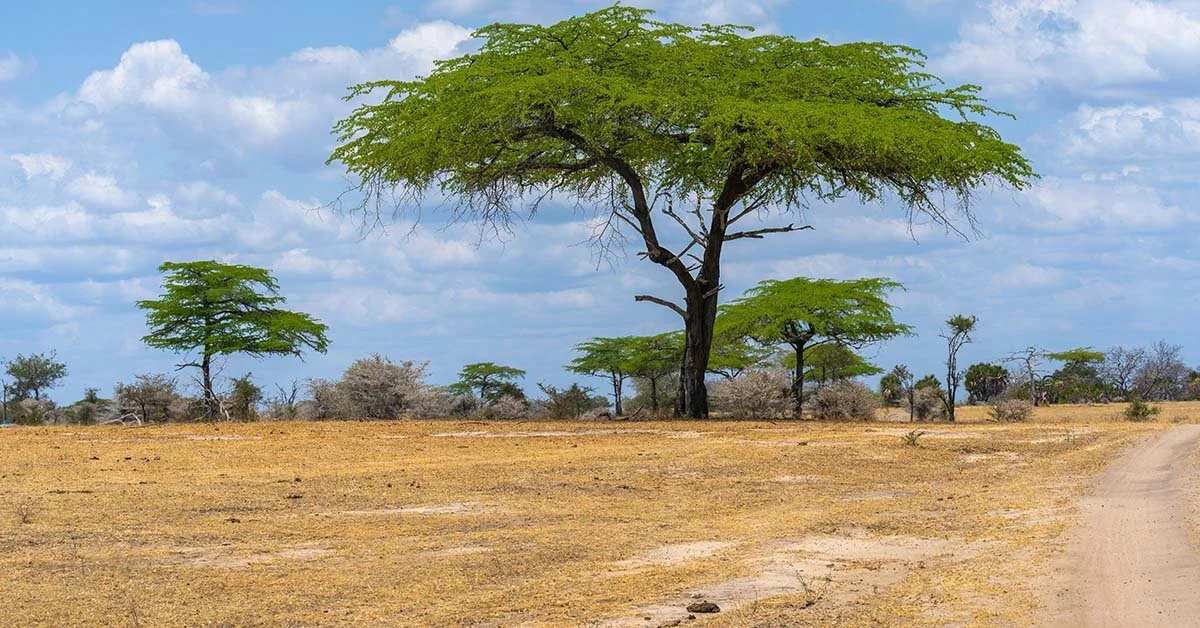
A Tanzania wildlife safari takes you deep into some of Africa's most extraordinary landscapes, where vast plains, ancient woodlands, volcanic craters, rivers, and forests support an incredible diversity of wildlife.

From the endless Serengeti plains and the wildlife-rich Ngorongoro Conservation Area to the elephant country of Tarangire and the remote wilderness of Ruaha, Tanzania offers different safari experiences across one remarkable country.

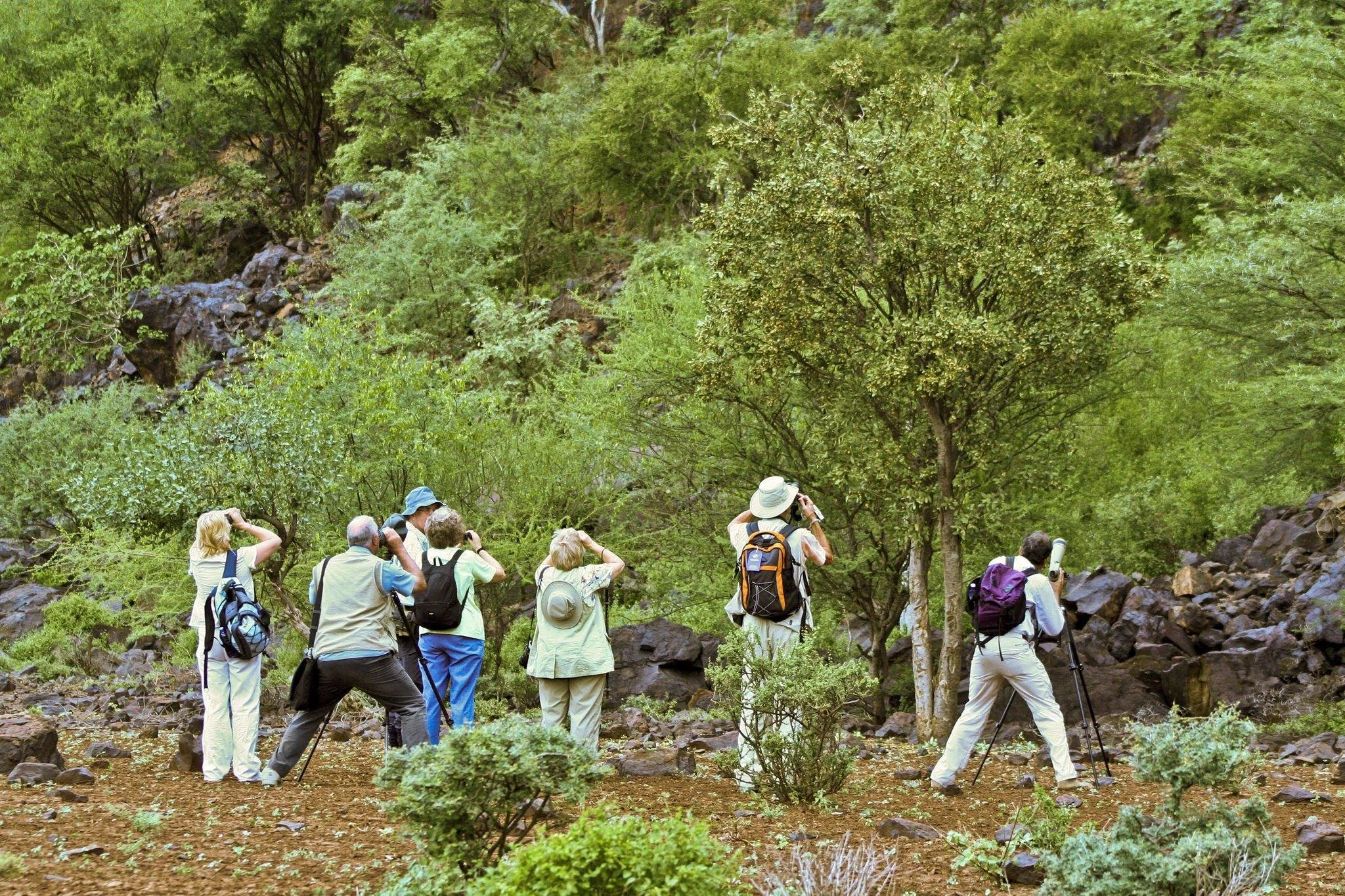
Here, wildlife is not confined to a reserve or viewed from behind barriers. You enter their natural environment, following experienced guides who help you understand the animals, tracks, landscapes, and rhythms of the bush.

Big Five wildlife viewing
Expert local safari guides
Multiple national parks & reserves
Private & small-group safaris
Year-round wildlife experiences


Why It Matters

The wild is the destination

A Tanzania wildlife safari is about more than ticking animals off a list. The experience comes from watching wildlife behave naturally within an enormous living ecosystem.

You might find lions resting beneath an acacia, elephants moving across open plains, giraffes feeding among woodland, or thousands of wildebeest following ancient migration routes.

Your guide helps interpret what you see — tracks in the soil, alarm calls, animal behaviour, changing seasons, and the relationship between predators, prey, water, and landscape.

Main Activity
Guided Wildlife Viewing
Signature Experience
The Great Migration
Guide Type
Professional Safari Guide
Typical Duration
3–10 Days
The Approach

Choosing the right safari area matters.

Tanzania is not one single wildlife destination. Each park offers a different combination of species, scenery, accessibility, and seasonal wildlife movements.

The Serengeti is renowned for its vast plains and migration, while Ngorongoro provides exceptional wildlife viewing within a dramatic volcanic landscape. Tarangire is known for elephants and ancient baobabs, while Ruaha offers a more remote southern Tanzania experience.

Key Regions
6+ Major Areas
Best Season
June–October
Migration
Year-round

Guide Quality

An experienced guide can transform wildlife viewing by understanding animal behaviour, reading tracks, and knowing where and when to look.

How We Time It

We match parks and seasons to your priorities — whether that means the Great Migration, predators, elephants, photography, birdlife, or a quieter wilderness experience.

The best safari is not simply where you go, but how you experience the wild.


Destinations

Wildlife Regions

Six destinations for experiencing Tanzania's wildlife

Serengeti National Park
3–7 days

Follow the rhythm of the Serengeti across open grasslands, river valleys, woodland, and rocky kopjes while searching for lions, cheetahs, leopards, elephants, giraffes, and migrating wildebeest.

Ngorongoro Conservation Area
1–2 days

Descend into the Ngorongoro Crater for concentrated wildlife viewing surrounded by dramatic volcanic scenery.

Tarangire National Park
1–3 days

Explore elephant-rich landscapes, seasonal wetlands, woodland, and iconic baobab trees.

Ruaha National Park
2–5 days

Discover a wilder southern Tanzania, known for large elephant populations, predators, dramatic landscapes, and fewer visitors.

Nyerere National Park
2–4 days

Combine traditional game drives with boat-based wildlife experiences along the Rufiji River and surrounding waterways.

Lake Manyara National Park
1–2 days

Explore groundwater forests, open plains, wetlands, and lake environments supporting elephants, birds, primates, and other wildlife.

Daily Rhythm

Early-morning & late-afternoon game drives

Structured around peak animal activity periods for optimal sightings.

Accommodation

Safari lodges / tented camps / luxury camps

Carefully selected bases that keep you connected to the surrounding wilderness.

Species & Diversity

The Big Five & Beyond

Tanzania is more than lions and elephants. The Big Five — lion, leopard, elephant, buffalo, and rhinoceros — are among the most sought-after wildlife sightings on safari. But Tanzania's wildlife story goes much further.

  • Cheetahs
  • Giraffes
  • Zebras
  • Wildebeest
  • Hippopotamuses
  • Hyenas
  • Wild dogs
  • Flamingos
  • Hundreds of bird species

Every ecosystem adds something different, which is why combining several parks can create a much richer wildlife safari.

One country. Multiple ecosystems. Thousands of wild encounters.

Wildlife roaming across Tanzania's diverse ecosystems

How We Build Your Wildlife Safari

Designed around the wildlife you want to experience.

Expert safari guides

Travel with knowledgeable guides who understand wildlife behaviour, tracks, landscapes, and seasonal movements.

Private game drives

Enjoy a flexible safari pace with opportunities to spend more time at sightings that interest you.

Multiple parks

Combine complementary ecosystems rather than relying on a single destination.

Photography-focused safaris

Build your itinerary around light, wildlife behaviour, landscapes, and longer time in the field.

Walking & cultural experiences

Add walking safaris, community experiences, or other activities to create a broader Tanzania journey.

Zanzibar extensions

Seamlessly pair your wildlife safari with a relaxing beach stay on the spice island of Zanzibar.


Quick Reference

Wildlife Sightings Across Major Parks

What you can expect to encounter across Tanzania’s premier safari regions.

Serengeti National Park

Year-round

Highlights: Great Migration herds, lions, cheetahs, leopards, vast plains

Best Window: Jan–Mar (calving) & Jul–Oct (river crossings)

Ngorongoro Crater

Year-round

Highlights: High-density Big Five, black rhinos, flamingos, enclosed caldera

Best Window: Year-round (Dry season Jun–Oct is exceptional)

Tarangire National Park

Seasonal

Highlights: Large elephant herds, iconic baobab trees, seasonal birding

Best Window: June to October (Dry season concentration)

Ruaha National Park

Remote

Highlights: Wild dog packs, lions, remote wilderness, great elephant numbers

Best Window: June to December (Along Great Ruaha River)

Lake Manyara National Park

Lush Scenery

Highlights: Tree-climbing lions, groundwater forests, flamingos, baboons

Best Window: November to June (Lush scenery & peak bird flocks)

Got Questions?

Frequently Asked Questions

Clear answers to common questions about planning a Tanzania wildlife safari.

When is the best time to see the Great Migration?

The Great Migration is a year-round cycle. From January to March, herds gather in the southern Serengeti for the calving season. From July to October, herds move toward the northern Serengeti and the Mara River crossings. We can help align your travel window with the specific migration phase you want to experience most.

How many days should a Tanzania safari be?

Most travelers find that 6 to 10 days provides the ideal balance to explore multiple parks—such as Tarangire, Lake Manyara, Ngorongoro Crater, and the Serengeti—without feeling rushed.

Are private game drives better than group tours?

Yes. Private safaris give you complete flexibility over your daily schedule, vehicle seating, and how much time you want to spend observing wildlife, tracking predators, or photographing landscapes.

Can we combine a safari with Zanzibar?

Absolutely. One of our most popular itineraries pairs 5 to 7 days of intensive wildlife viewing in the northern circuit with 3 to 4 relaxing days on the white-sand beaches of Zanzibar.

What vehicles are used for game drives?

We use custom-built 4x4 safari vehicles (typically Land Cruisers) featuring pop-up roofs for 360-degree viewing and photography, comfortable seating, charging ports, and dedicated local driver-guides.

What should I pack for a Tanzania safari?

Pack lightweight, neutral-colored clothing (khaki, beige, olive) for daytime game drives, along with a warm fleece or jacket for chilly early mornings. Don't forget comfortable walking shoes, a sun hat, sunglasses, high-SPF sunscreen, insect repellent, and a good pair of binoculars.

Is a Tanzania safari suitable for families with children?

Yes, Tanzania is a wonderful family destination. Private game drives allow you to tailor the schedule and pace to keep younger travelers comfortable, and many lodges offer engaging family-oriented wildlife programs.

What physical fitness level is required?

Standard wildlife safaris require very little physical exertion since most game viewing is done from inside the vehicle. If you plan on adding walking safaris, nature hikes, or mountain trekking, moderate fitness is helpful, and routes can be adjusted to match your capability.

Are park fees and permits included in the itinerary?

Yes. All standard national park entry fees, conservation fees, and government taxes are factored into your custom itinerary pricing so you can travel without unexpected expenses.

How do we start planning our custom safari?

Getting started is simple. Just fill out our brief planning form with your preferred travel dates, group size, and interests, and our team will craft a detailed, tailored itinerary designed around your pace.

Ready to Experience Tanzania?

Let's shape your private wildlife safari

Tell us who is traveling, your preferred dates, and what you want to see. We will build a calm, clear itinerary tailored to your pace.

Plan My Safari